LifeLock Customer Journey
Mapping the first 90-days to uncover experience gaps
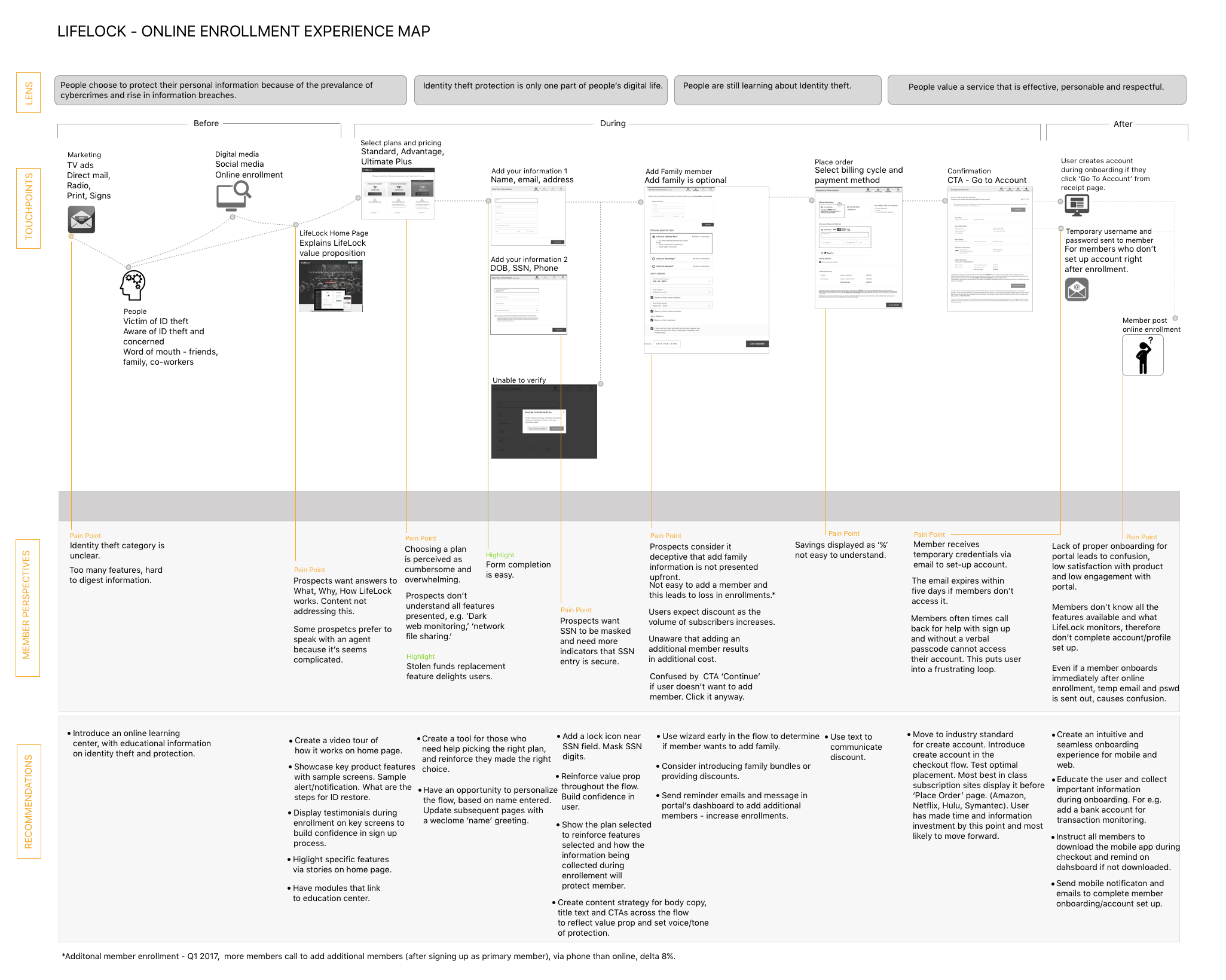
A foundational research effort at LifeLock that mapped the first 90 days of the customer experience - from enrollment through ongoing usage, to give the product team a shared view of where users were struggling and why. The journey map drove key metrics like reduction in support calls, increase account engagement and unlocked new product lines like credit locks.
The Problem
I joined LifeLock as their first UX researcher, and learnt that the product team had no end-to-end view of what the customer experience actually looked - right from why someone enrolls, how they use the product and why they churn.
Support call volume was high but the reasons were fragmented across teams. The team needed a holistic picture of the customer experience that connected enrollment, onboarding, and ongoing usage into one narrative so that product decisions were based on a shared understanding of where users were struggling or why they were disengaging.
My Role
Sole researcher responsible for designing the research approach, conducting all research sessions and synthesizing findings.
Partnered with the Design Director to create the journey map and business insights team to layer in quantitative data.
My Approach
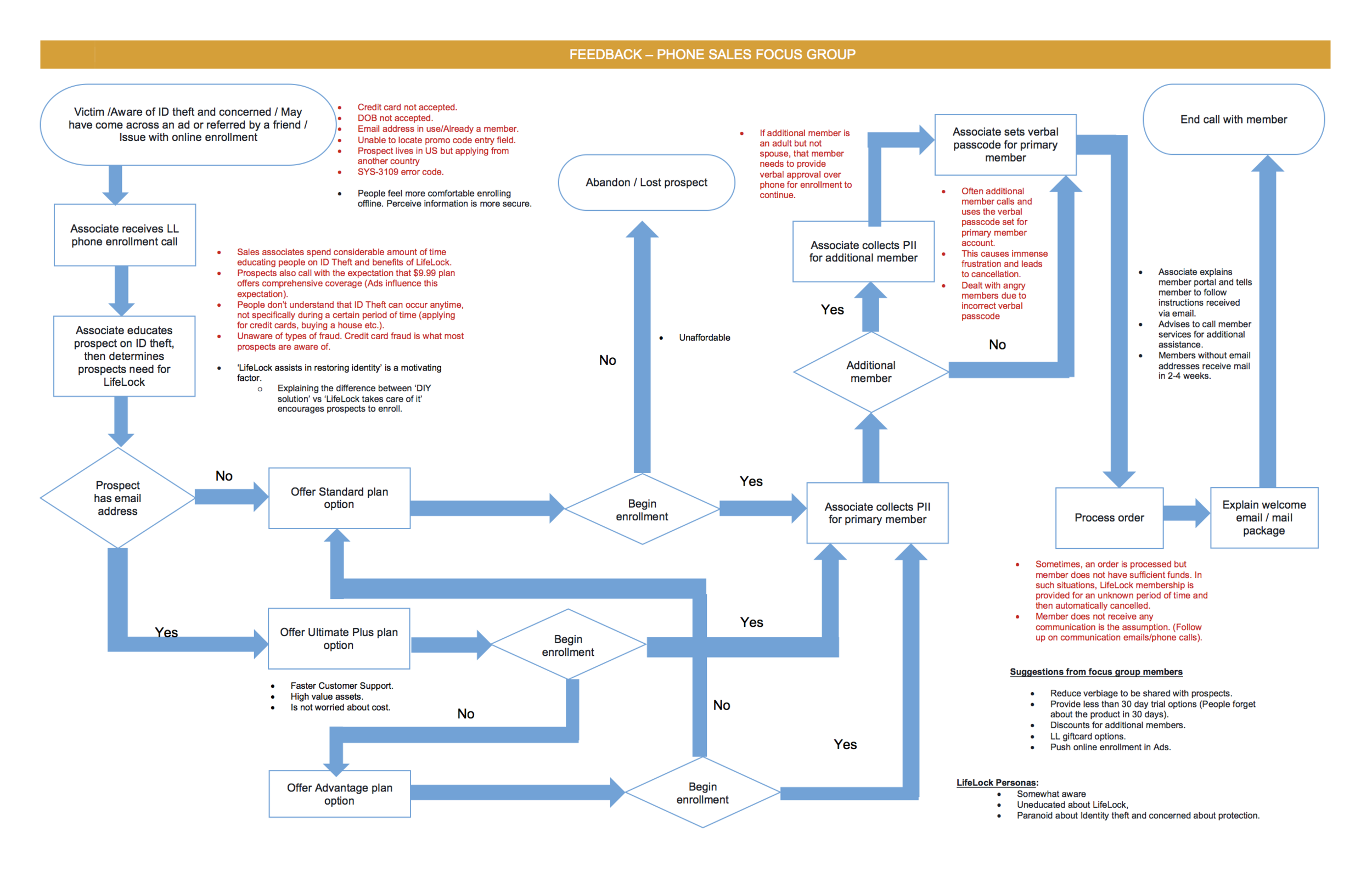
I joined LifeLock as their first UX researcher, so I started by taking stock of what was already known. The company had market researchers who had done acquisition and marketing research, and I worked with the data team to map out the existing user flow before designing any new research. That gave me a baseline to get started with.
The research was sequenced across three data sources. I started with a focus group with eight enrollment phone agents, the people who enroll the majority of new members, spending about 90 minutes mapping the landscape of common issues they saw across hundreds of customer interactions. This gave me breadth of signal quickly and helped me identify which parts of the journey to probe more deeply before I spoke to actual members. I then spent a full day doing listening sessions with the customer support team, sitting in on over 10 live calls to hear firsthand what issues were driving call volume, when in the journey people were calling, and what language they used to describe their problems.
From there I moved to in-depth interviews with existing LifeLock members, recruiting deliberately across the first 90 days: people who had enrolled in the last three days, people at the 30-day mark, and people between 45 and 90 days. That sequencing let me track how the experience and mental models shifted across the early journey rather than collapsing it into a single snapshot. Some participants had experienced identity theft and some hadn't, though I didn't split specifically on that dimension.
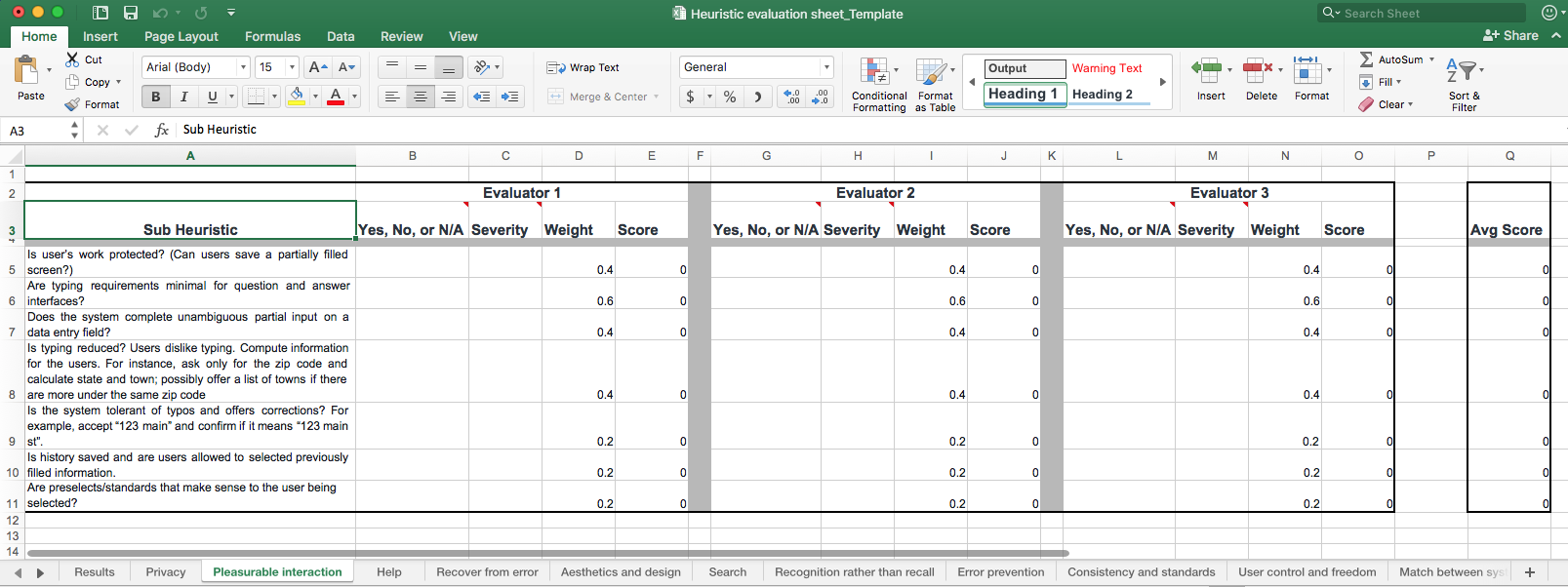
I then worked with the business insights team to overlay complaint reports, drop-off data, and engagement data onto the qualitative findings, and partnered with the Design Director to synthesize everything into the 90-day journey map. Once the journey gaps were identified, I moved into card sorting and tree testing to address the navigation and information architecture issues the map surfaced, and established a heuristic evaluation program for ongoing assessment of the portal as it evolved.
The impact
Over 10% reduction in support calls by helping the team identify and address the specific experience gaps generating the most volume.
Account center engagement increased by over 30% as the team redesigned key touchpoints based on the findings.
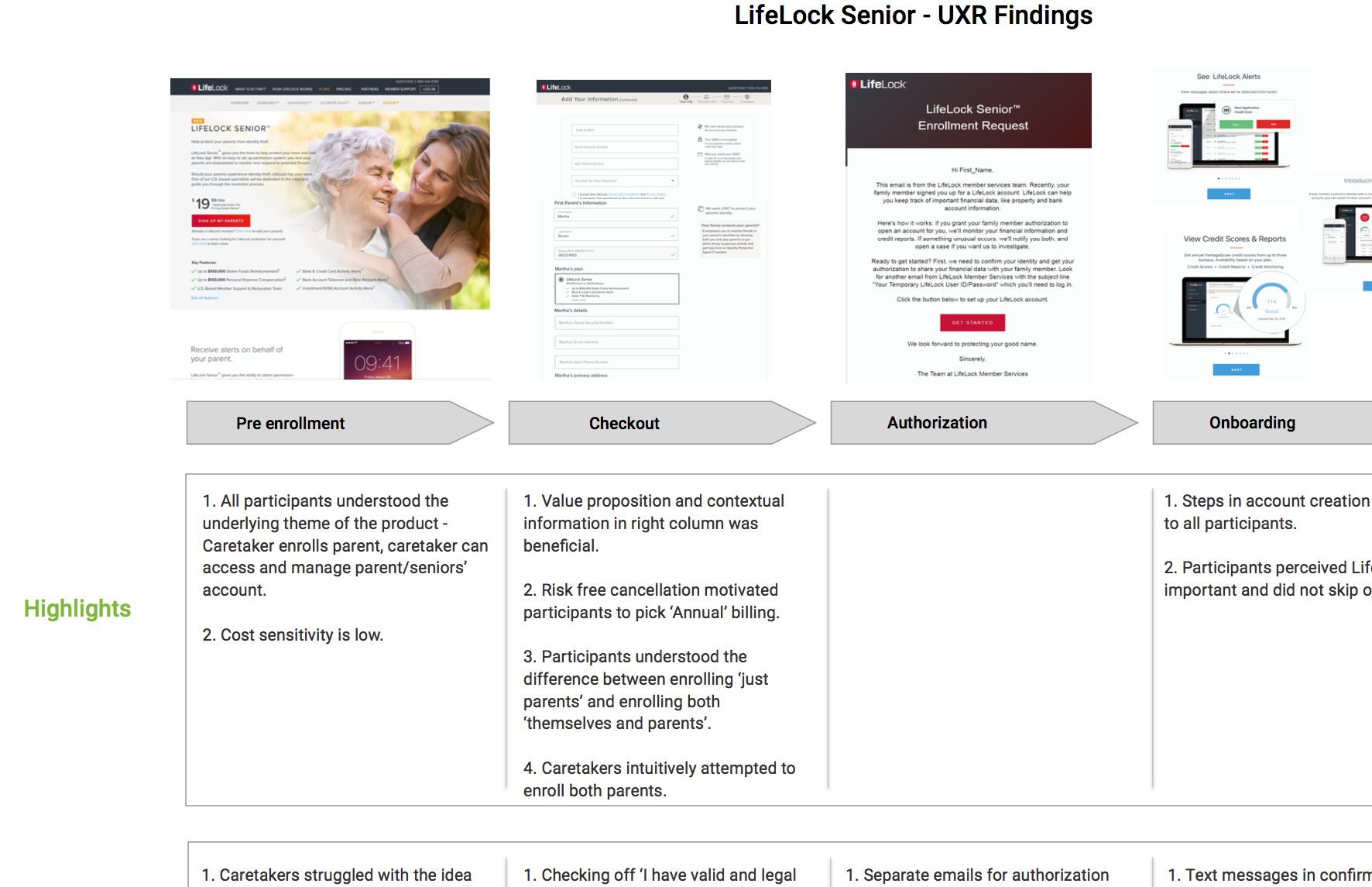
The research unlocked new product ideas, including credit locks and LifeLock Senior.
The journey map itself became a persistent reference for the team, serving as a shared visual reminder of gaps and opportunities that informed prioritization decisions well beyond the initial research.
The heuristic evaluation cadence and usability testing practice I established gave the team a lightweight, repeatable way to assess product quality over time.
Reflections
Because the findings touched marketing, onboarding, and the account portal all at once, my instinct was to evangelize broadly across the company. In hindsight I would have driven faster impact by bringing each piece to the relevant stakeholder team separately and spending more time working through the implications with them.
On the operational side, running heuristic evaluations every quarter was more frequent than the pace of product change warranted. Being more selective about when to run them would have freed up capacity. Also building lightweight templates or working more directly with designers to democratize research would have helped stretch the research function further as the sole researcher on the team.