Ads Privacy, Consent & Trust
Navigating the ads ecosystem's biggest disruption hindering ad relevance
The Problem
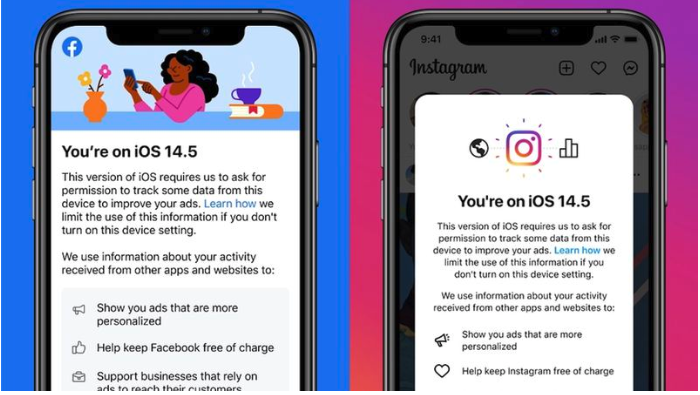
App Tracking Transparency (ATT) rollout disrupted the data foundation of the ads business. Users were now being asked directly whether apps could track their activity across other apps and websites, and opt-out rates were high. Simultaneously, privacy regulations in various regions globally created a patchwork of consent requirements.
The team needed to know how people actually think about data sharing, what drives their consent decisions, and how to design experiences that respect user agency while sustaining the ads business.
A multi-year research program spanning mental models, consent design, a trust framework, and transparency tools - built in response to Apple's ATT rollout and evolving global privacy regulations. The work helped Instagram recover from signal loss by grounding the team's response in how users actually think about data, consent, and control.
My Role
Primary researcher, IG Ads Privacy with cross-functional collaboration across Meta's privacy and ads organizations
The Approach
We started with a literature review and a close read of regulatory body discussions across regions to map what was already known about user mental models around privacy and data, and where the gaps were. From there I led a multi-method study across four to six markets, chosen based on iOS usage, revenue importance, and cultural approach to privacy decisions, specifically mixing privacy-sensitive markets like EU countries with less restrictive ones in Asia and LATAM.
We ran in-depth interviews first, then followed with a global quantitative study to pressure-test the patterns at scale. Sequencing qual before quant was deliberate: the interviews surfaced that consent decisions were driven by psychological factors like loss aversion, perceived irreversibility and habit rather than informational ones, which reframed what the quant needed to measure.
The segmentation work was a collaboration with Data Science, exploring groupings across iOS versus Android users, ad engagement levels, and privacy consciousness. The core question was whether a single consent approach could work across users or whether motivations were different enough to warrant tailored strategies.
For consent prompts and winback, we moved into a faster iterative cycle once the prompt launched, tracking behavioral response and concept testing different framings and value propositions.
Winback research focused on what might shift the decision for users who had already opted out, including a trial period concept I originated and pitched during an internal incubation sprint, rated in the top 5 out of 30+ ideas.
Transparency tools research followed a build-up pattern: IDIs to understand what users actually want to know about why they're seeing ads, collaborative workshopping with designers and PMs to generate concepts grounded in user language, collaborating with PMM and researchers who work with advertisers to understand advertisers perspective then qual concept testing before anything moved into higher-fidelity development.
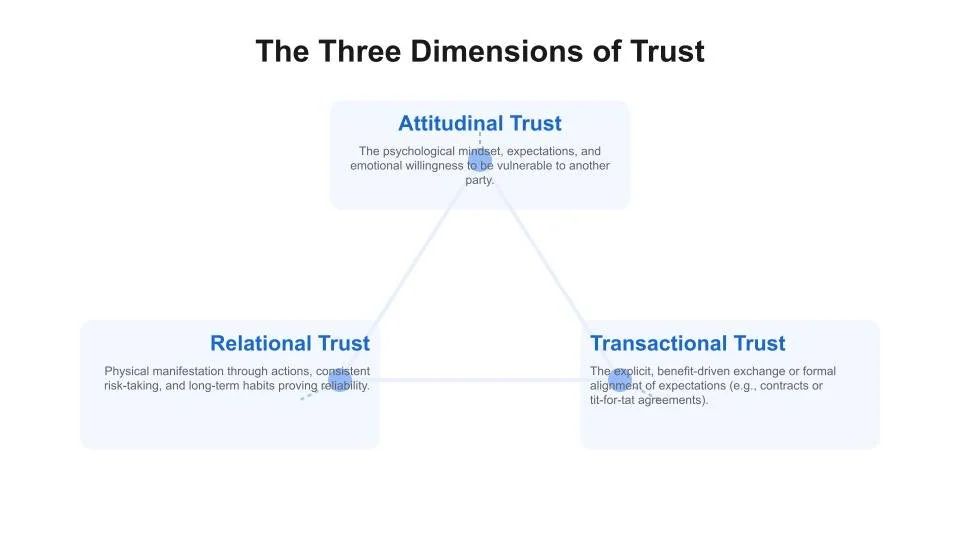
While the tactical work was ongoing, a parallel question emerged: how do we actually measure whether any of this is working? "Trust" had become a go-to metric for the ads experience, but through ongoing research it became clear that trust was too broad to be actionable. It was influenced by factors well outside the ads team's control, like brand perception and news cycles, and nearly impossible to move through product changes alone. We built a framework that retired "trust" as a standalone construct and replaced it with Perceived Control (do users feel they have agency over their data and ads experience) and Perceived Transparency (do users feel they understand how their data is being used and why they're seeing specific ads). The framework was adopted across the org and the dimensions continue to be used in sentiment tracking.
The Impact
Informed Meta's consent framework across Instagram and Facebook, supporting recovery of ad conversion efficiency post-ATT
Launched transparency and control tools giving users visibility into targeting criteria and controls to modify their experience
Replaced "trust" as a metric with Perceived Control and Perceived Transparency, dimensions now used in sentiment tracking across the org
Informed ad personalization policy and product decisions in regulatory regions including the EU
Established consent experience guidelines that teams continue to use as a foundation for future ads consent experiences
Reflections
Working across policy, legal, and product teams taught me that the same insights need very different framing depending on the audience: policy teams needed a clear separation between what participants said and what the interpretation was, while product teams wanted to skip straight to the so-what.
The other learning was about pacing research against regulatory timelines that are genuinely uncertain, some of the most thorough work I did was in preparation for regulations that kept getting delayed, which raised real questions about how to keep that research live and usable when the trigger event doesn't arrive on schedule.